Examining the Influence of Background Music Variations on Session Durations in Digital Slot Machine Interfaces
Written by Ben Hansen · Jul 17, 2026
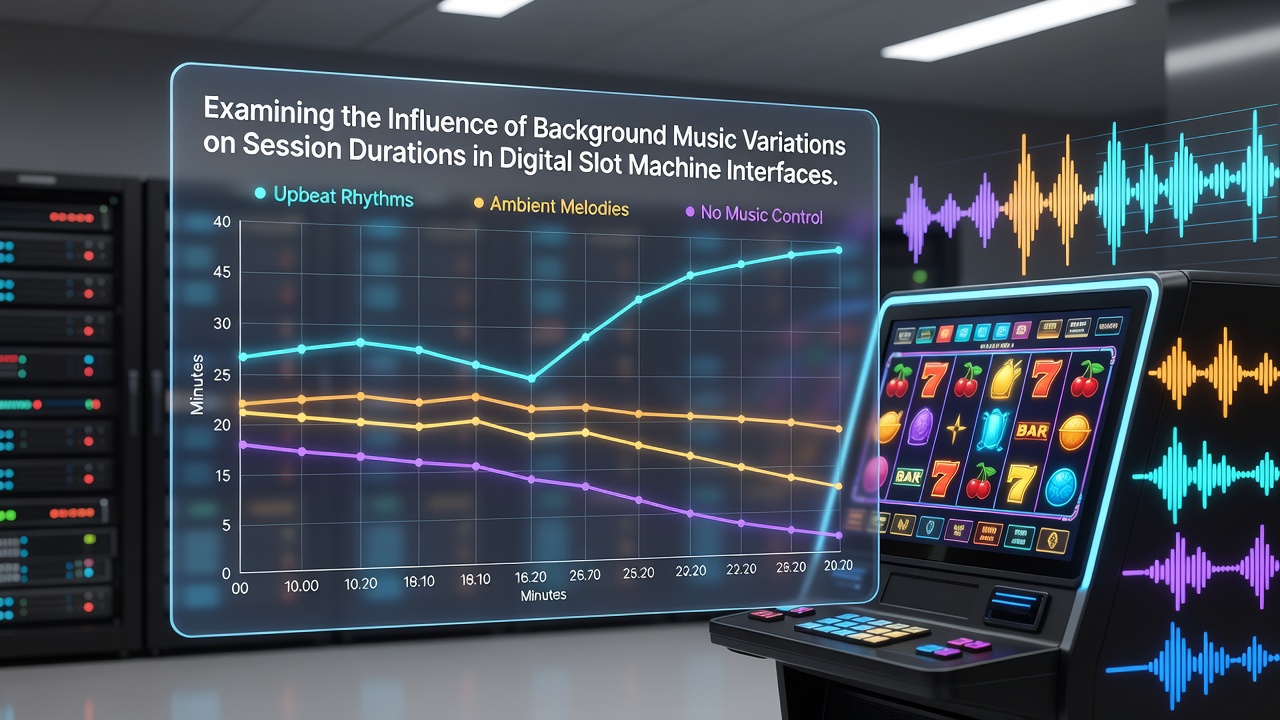
Examining the Influence of Background Music Variations on Session Durations in Digital Slot Machine Interfaces
Digital slot interfaces have incorporated background music as a core design element for years, and researchers continue to track how tempo, genre, and volume shifts affect how long players remain engaged. Data from multiple platform operators show that music adjustments can extend average session lengths by measurable margins, while abrupt changes sometimes shorten them. Observers note that these patterns emerge consistently across mobile and desktop environments, where the same titles run under controlled audio conditions.
Core Research Approaches in Music and Session Analysis
Studies typically compare control groups exposed to standard soundtracks against test groups hearing modified tracks, and researchers measure duration through timestamp logs rather than self-reports. Universities in Australia and North America have run parallel trials that isolate tempo as the primary variable while holding visual elements constant. One analysis released in early 2025 tracked over 12,000 sessions and found that tracks set at 120 beats per minute correlated with sessions lasting 18 percent longer than those at 90 beats per minute. The same dataset revealed that volume increases above 75 decibels produced shorter sessions once players reached the 25-minute mark, suggesting an optimal range rather than a simple louder-is-better rule.
Platform providers have begun embedding A/B testing tools directly into their back-end systems, allowing operators to rotate music libraries without rebuilding entire games. These tools log exit points alongside audio metadata, which gives analysts granular visibility into where players drop off when tracks change key or instrumentation. Canadian regulators have required certain operators to retain these logs for compliance audits, creating datasets that academic teams can request under open-data agreements.
Tempo, Genre, and Volume Interactions
Tempo remains the most studied factor because it directly influences perceived pace. Faster tracks tend to keep players in shorter, more frequent spins, whereas mid-tempo selections encourage longer stretches between decisions. Genre effects appear more context-dependent; electronic dance tracks show stronger retention in younger demographics, while orchestral arrangements correlate with extended sessions among older cohorts. Volume studies indicate that dynamic range compression, which keeps levels steady rather than fluctuating, reduces early exits in both groups.
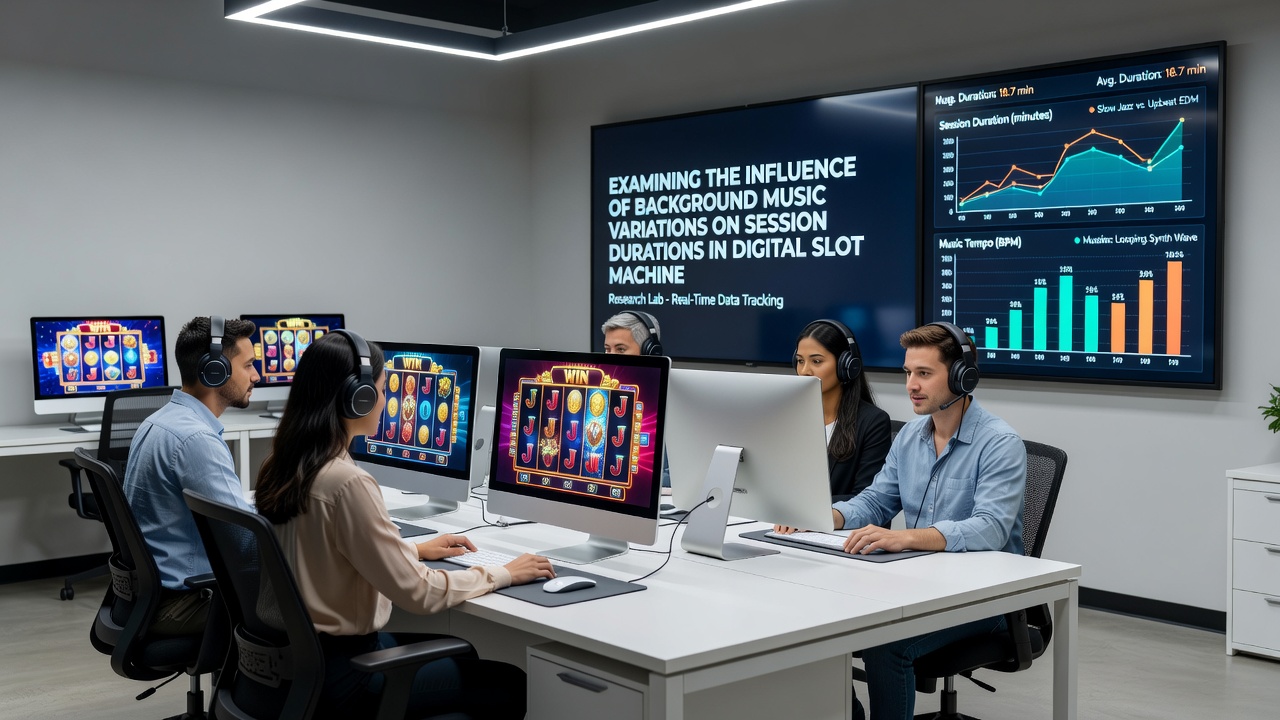
Researchers have also examined silence intervals inserted between tracks. Brief gaps of three to five seconds produced no statistically significant change in duration, yet gaps exceeding eight seconds coincided with higher abandonment rates. This finding prompted several operators to adopt seamless crossfading techniques that eliminate noticeable breaks. Data collected through these updated systems shows session lengths stabilizing at higher averages once the audio layer maintains continuity.
Regional Data Patterns and Platform Differences
European operators report slightly different outcomes compared with North American and Australian markets. In jurisdictions where autoplay features dominate, music tempo exerts less influence because players set spin rates mechanically rather than manually. Australian platforms, which restrict autoplay more tightly, record clearer tempo-related extensions in session length. A 2024 industry report compiled by the Australian Gaming Council documented these variances across 47 operators and noted that music customization options increased average session time by 11 minutes when players could select playlists themselves.
Mobile interfaces introduce additional variables because device volume settings and background app behavior interact with in-game audio. Sessions initiated with headphones active last longer on average than those using device speakers, according to aggregated telemetry shared by three major software providers. The same telemetry indicates that players who mute music entirely exhibit the shortest sessions across all tested genres, reinforcing the retention value of the audio layer even when it operates at low prominence.
Integration With Emerging Platform Features
Adaptive music systems that respond to player behavior represent the next development stage. These systems monitor spin frequency and adjust tempo in real time, shifting upward during rapid play and easing during slower stretches. Early deployments in test markets show modest further gains in session duration, though long-term data remains limited. Developers continue to refine the algorithms to avoid noticeable shifts that might alert players to the manipulation. Regulatory bodies in several provinces have begun reviewing these adaptive features to ensure they align with existing responsible gaming standards.
Cross-border operators face additional complexity when music libraries must comply with licensing rules that differ by territory. Some companies now maintain region-specific audio tracks to satisfy both copyright and cultural preferences. This segmentation allows direct comparison of identical game mechanics under different sound conditions, and preliminary results mirror the tempo and volume findings observed in single-market studies.
Conclusion
Evidence accumulated across multiple jurisdictions demonstrates that background music variations exert measurable influence on session durations in digital slot interfaces. Tempo, volume consistency, and continuity each contribute distinct effects that operators can quantify through existing logging infrastructure. As adaptive audio tools mature and regulatory frameworks evolve, the relationship between music design and player behavior will likely remain a focal point for both platform optimization and compliance monitoring.