Mosquito Grizzly Bear’s Head Lean Man First Nation Drives Forward $100 Million Casino Resort Vision in North Battleford
Written by Jordan Flores · Apr 17, 2026
Mosquito Grizzly Bear’s Head Lean Man First Nation Drives Forward $100 Million Casino Resort Vision in North Battleford
The Project Takes Shape Along Highway 16 West
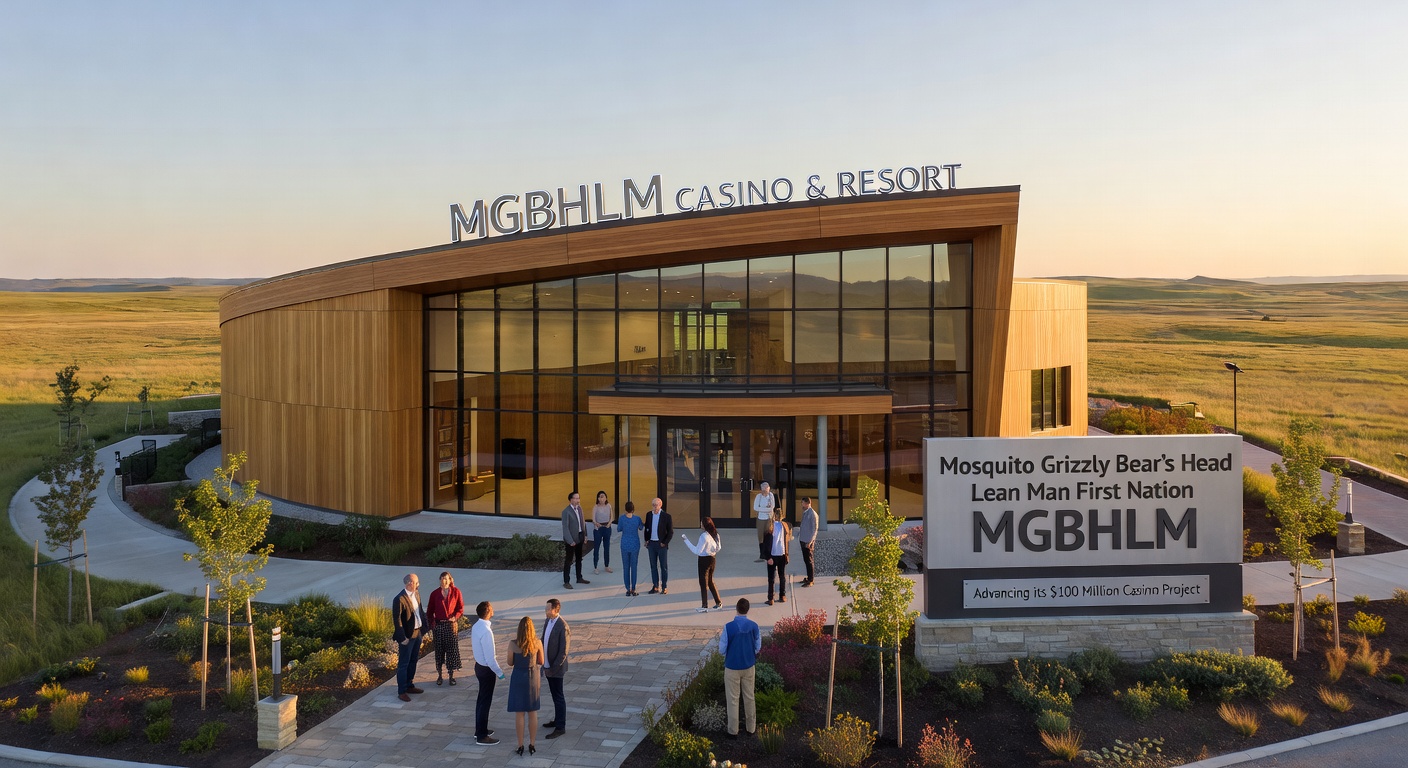
Mosquito Grizzly Bear’s Head Lean Man First Nation, often referred to as MGBHLM, moves ahead with its ambitious $100 million casino and resort initiative in North Battleford, Saskatchewan; the plan centers on relocating the existing Gold Eagle Casino to a spacious 67-acre site positioned strategically along Highway 16 West, where developers envision a full-scale transformation including a new hotel and convention center designed to draw crowds from across the region. According to details shared in recent updates from World Casino Directory, this relocation promises not just a bigger footprint but a complete overhaul aimed at elevating local gaming and hospitality offerings, while tying into broader goals of economic growth for the First Nation community. Construction timelines stretch out over three years once underway, a process that builders expect to kick off soon after final approvals, turning what’s now open land into a bustling hub complete with modern amenities tailored for tourists and locals alike.
And here's where it gets interesting: the site's location along a major thoroughfare like Highway 16 West positions it perfectly for high visibility and easy access, something experts in regional development have long highlighted as key to success for ventures like this in Saskatchewan's northern prairies. People who've followed similar projects note how such highway proximity can boost foot traffic right from day one, especially in areas where tourism hinges on passing motorists and weekend getaways.
Community Engagement Hits a Milestone in April 2026
On April 14, 2026, stakeholders gathered for a pivotal community meeting in North Battleford, where MGBHLM leaders laid out the latest progress on the casino project, answering questions and building support among residents who stand to benefit most from the influx of activity. Reports indicate the session drew a crowd eager for details on timelines, environmental considerations, and how the development aligns with local needs, with presentations focusing on transparent updates that kept everyone in the loop. What's significant here is the timing; as construction looms just months away in this fast-moving scenario, such meetings serve as the glue holding community buy-in together, ensuring voices from all sides shape the final build.
Attendees left with clear takeaways: the project not only relocates but expands the Gold Eagle Casino's reach, incorporating hotel rooms for overnight stays and a convention center primed for events, conferences, and gatherings that could fill calendars year-round. Observers familiar with First Nation-led initiatives point out how these updates foster trust, particularly when economic promises like job creation take center stage during discussions.
Job Creation and Tourism Projections Fuel Excitement
Figures reveal the construction phase alone will generate over 350 jobs, pulling in workers for everything from site preparation to finishing touches on the hotel and casino floors, while long-term operations promise around 400 positions that stick around once doors open to the public. And that's not all; planners project up to 500,000 annual visitors streaming in, a number that could supercharge tourism in North Battleford and surrounding areas, where economic self-sufficiency has long been a priority for MGBHLM. Data from similar Saskatchewan gaming developments, tracked by bodies like the Saskatchewan Indian Gaming Authority (SIGA), underscores how these visitor estimates often hold up, translating into steady revenue streams that support community programs and infrastructure.
Turns out, these jobs span skilled trades during the build—think electricians wiring up gaming floors and masons laying foundations—shifting seamlessly into hospitality roles like dealers, chefs, and event coordinators once the resort hums with activity. For a First Nation like MGBHLM, this means training programs tailored to members, building skills that last beyond the project's completion; those who've studied Indigenous economic ventures observe how such initiatives often create ripple effects, from family stability to reinvested funds in education and health services.
Key Figures Steering the Initiative
At the helm stands MGBHLM Chief Tanya Stone, whose leadership has propelled the project from concept to near-reality, collaborating closely with FSIN Chief Bobby Cameron, who brings federation-wide perspective to the table. SIGA CEO Zane Hansen contributes expertise in gaming operations, drawing on the authority's track record with Saskatchewan's casino landscape, while North Battleford Mayor Kelli Hawtin represents municipal interests, ensuring the development meshes with city planning and infrastructure upgrades. Together, these individuals form a united front; reports from the community meeting highlight their joint appearances, where they fielded queries on everything from traffic flow to partnership benefits.
Chief Stone, in particular, emphasized during updates how the resort aligns with MGBHLM's vision for sovereignty through economic diversification, a theme echoed by Cameron as he linked it to broader First Nations goals across the province. Hansen's input on operational feasibility adds a layer of assurance, given SIGA's oversight of multiple venues, and Hawtin's involvement signals strong local government backing, smoothing paths for permits and utilities. It's noteworthy that such cross-collaboration isn't always seamless, yet here it flows, propelled by shared stakes in the Battlefords region's growth.
From Relocation to Regional Anchor
The Gold Eagle Casino's shift from its current spot to this 67-acre expanse marks more than a move; it represents a scale-up, with the new setup boasting expanded gaming space, luxury lodging, and multipurpose event facilities that could host weddings, trade shows, or cultural festivals drawing crowds from Alberta to Manitoba. Planners have factored in sustainable elements too, like energy-efficient designs suited to prairie winters, although specifics await final engineering reviews. And while the three-year build unfolds, interim preparations—site clearing, road access improvements—keep momentum rolling, with local suppliers already lining up for contracts.
People in North Battleford often discover how projects like this breathe life into quieter stretches of Highway 16 West, turning truck stops into gateways for entertainment districts; one case from nearby SIGA properties shows visitor numbers climbing steadily post-launch, validating these 500,000 projections. The reality is, for MGBHLM, this isn't just bricks and slots—it's a pathway to self-reliance, where tourism dollars circle back into community coffers, funding everything from youth programs to elder care without heavy reliance on external aid.
Yet challenges lurk, as with any megaproject: weather delays in Saskatchewan's harsh seasons, supply chain hiccups, or regulatory fine-tuning through provincial channels. Still, backers point to the April 2026 meeting's positive vibe, where stakeholders voiced support after seeing detailed renderings and economic models that paint a vivid picture of success.
Conclusion
As Mosquito Grizzly Bear’s Head Lean Man First Nation presses on with its $100 million casino resort in North Battleford, the pieces align for a transformative chapter in Saskatchewan's gaming scene; from the Highway 16 West site's prime positioning and the three-year construction horizon to the 350 build-phase jobs morphing into 400 permanent ones, plus those 500,000 expected visitors annually, the blueprint promises lasting impact. Key leaders like Chief Tanya Stone, alongside FSIN's Bobby Cameron, SIGA's Zane Hansen, and Mayor Kelli Hawtin, continue steering through community input like the April 14, 2026, gathering, ensuring the relocated Gold Eagle Casino evolves into a resort powerhouse. What's clear from the updates is this: economic self-sufficiency edges closer, bolstering tourism and jobs in a way that resonates across the prairies, setting a model for First Nation ventures nationwide.