Tracing Regulatory Shifts in No-Deposit Offer Structures Within Emerging Digital Wagering Markets
Written by Leon Hansen · May 24, 2026

Tracing Regulatory Shifts in No-Deposit Offer Structures Within Emerging Digital Wagering Markets
Regulatory bodies in emerging digital wagering markets have adjusted rules around no-deposit offers in recent years as operators expand into new jurisdictions and player acquisition tactics come under closer scrutiny. These changes affect how platforms structure bonuses that require no initial deposit yet deliver credits or free spins to new users. Observers note that governments in Latin America and parts of Southeast Asia introduced updated compliance requirements during 2025 and into May 2026 to address concerns over verification processes and bonus abuse.
Data from regional industry reports shows that markets such as Brazil and Colombia implemented licensing frameworks that tie bonus promotions to stricter identity checks. Operators must now verify accounts before releasing any no-deposit funds, a shift that replaced earlier self-certification models. This adjustment aligns with broader efforts to reduce money laundering risks while operators continue to compete for users in fast-growing online segments.
Historical Development of Bonus Regulations
Early digital wagering platforms in emerging regions offered no-deposit promotions with minimal restrictions because local laws focused primarily on licensing rather than promotional mechanics. Regulators in these areas prioritized market entry and tax collection, which allowed operators to experiment with bonus structures that attracted players quickly. Over time, however, reports of bonus farming and multiple account creation prompted reviews of those lenient approaches.
By 2024 several jurisdictions began requiring operators to maintain detailed records of bonus redemptions and tie them to single verified accounts. The move reflected input from financial oversight agencies that identified patterns of rapid fund cycling through promotional credits. Those who've studied these transitions point out that the changes occurred alongside wider digital payment regulations that already demanded stronger customer due diligence.
Key Shifts Observed Through May 2026
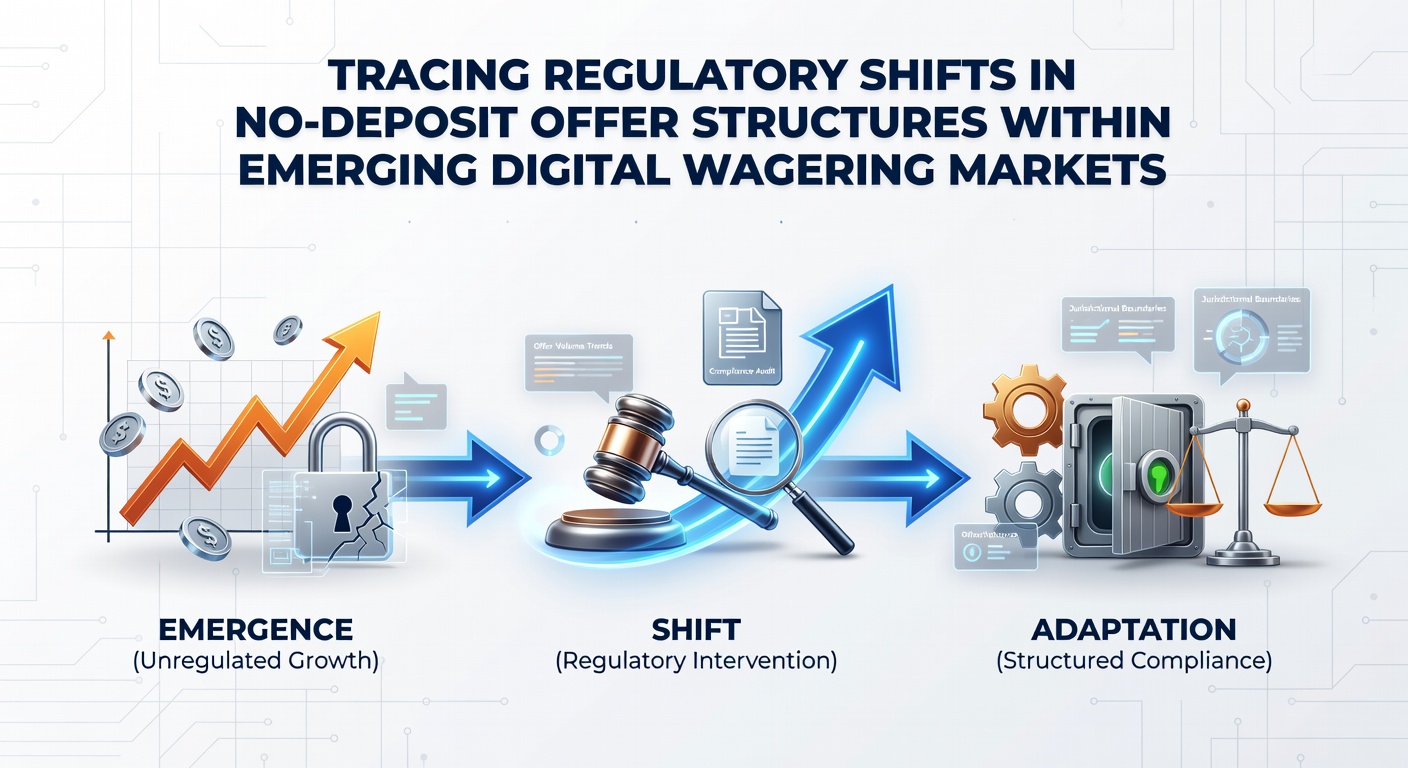
In May 2026 regulators in multiple emerging markets released updated guidance that directly addresses no-deposit offer structures. Colombia's gaming authority, for example, mandated that operators cap the value of such bonuses relative to average player deposits within the same market segment. Brazilian authorities followed with requirements that force platforms to disclose wagering requirements in standardized formats before any bonus activation.
These updates emerged after collaborative reviews between gaming commissions and central banks that track cross-border transaction flows. Figures reveal that no-deposit bonuses previously represented a significant share of promotional budgets yet generated disproportionate compliance issues compared with deposit-matched offers. The new rules therefore emphasize transparency and limit the ability of users to withdraw bonus-derived winnings without meeting playthrough thresholds tied to verified activity.
Regional Variations in Implementation
Implementation timelines differ across jurisdictions because each market balances consumer protection goals with operator competitiveness. Southeast Asian regulators have leaned toward phased rollouts that give existing platforms time to modify their bonus engines and user interfaces. In contrast, some Latin American bodies set firm deadlines tied to license renewal cycles, creating immediate operational adjustments for companies entering those regions.
Industry associations such as the European Gaming and Betting Association have published comparative analyses that highlight how emerging markets draw from established frameworks while adapting them to local enforcement capacities. These studies note that enforcement often relies on automated monitoring tools that flag irregular bonus redemption patterns rather than manual audits alone.
Operator Responses and Market Effects
Operators have responded by redesigning no-deposit offers to include built-in verification steps and segmented eligibility criteria. Some platforms now tie bonus access to initial low-value deposits that unlock larger promotional credits later, a hybrid approach that satisfies both regulatory demands and marketing objectives. Research from academic papers on gambling behavior indicates that such modifications have not significantly reduced player acquisition rates in monitored markets.
Payment processors operating in these regions have also updated their integration requirements to support the new verification layers. Data shows that transaction approval times for bonus-related activity lengthened slightly during the transition period yet stabilized once systems incorporated automated identity checks. Observers tracking these developments emphasize that smaller operators faced steeper implementation costs compared with larger groups that already maintained sophisticated compliance infrastructure.
Conclusion
Regulatory shifts around no-deposit offer structures continue to reshape competitive dynamics within emerging digital wagering markets as authorities refine rules to match evolving market realities. The adjustments documented through May 2026 demonstrate a pattern of increasing standardization that prioritizes account verification and transparent terms while preserving promotional tools that help platforms grow. Future developments will likely depend on how effectively regulators balance enforcement resources with the pace of technological change in payment and identity systems across these regions.